

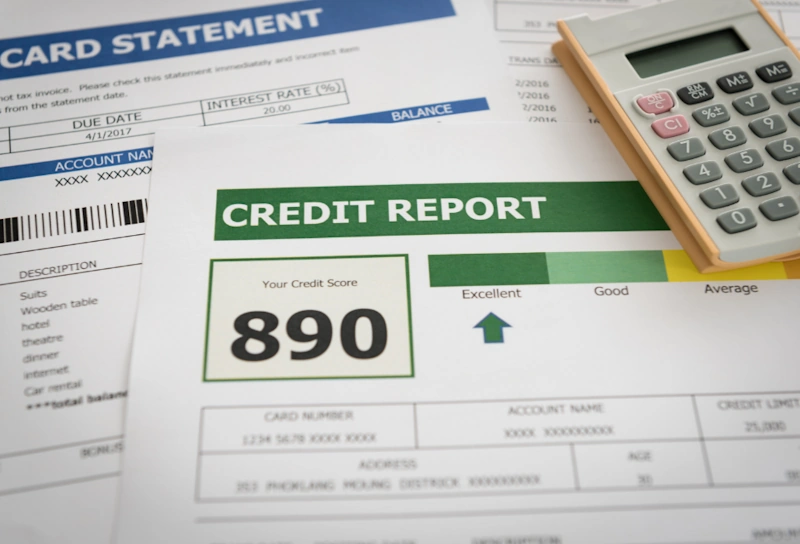
tradelines for building credit – Achieving a stellar credit profile can feel like a slow, uphill battle. Whether you are an entrepreneur trying to scale a company or an individual working toward major financial milestones, standard credit-building methods often take years to show significant results.
If you need to accelerate this process, leveraging tradelines for building credit is one of the most effective strategic shortcuts available today.
Understanding how tradelines work and how to deploy them correctly can fundamentally transform your financial trajectory. Let’s break down the mechanics of authorized user accounts, business credit optimization, and how to safely maximize your credit potential.
Understanding the Power of Tradelines for Building Credit
At its core, a tradeline is simply any account that appears on a consumer or commercial credit report. Every credit card, auto loan, or mortgage you open is a separate tradeline.
When people discuss buying or adding positive tradelines to an account, they are usually referring to becoming an authorized user on a seasoned account with a flawless track record.
How Does an Authorized User Tradeline Work?
When you are added to a high-limit, low-utilization account as an authorized user, the primary cardholder’s account history reflects on your own credit report. Because modern credit bureau systems generally ingest the entire historical profile of that specific account, your report suddenly reflects years of flawless history.
Crucially, authorized user tradelines do not make you responsible for any charges incurred on the account; you are simply inheriting the positive data footprint to strengthen your overall file.
4 Crucial Factors When Selecting a New Tradeline
Not all tradelines are created equal. To see a meaningful impact on your credit profile, you must strategically select a new tradeline that addresses the specific weak points of your existing file.
When analyzing your options on Tradeline Distributors, prioritize these key variables:
-
Account Age (Seasoning): Age is often the most powerful variable in credit scoring algorithms. An older account heavily weighs down your average age of accounts in a positive direction, projecting stability to underwriters.
-
Credit Limit: Inheriting a massive credit limit immediately lowers your overall credit utilization ratio, provided your current revolving balances remain low.
-
Payment History: You should only ever add a line that boasts a 100% positive payment history. A single late payment on a shared line can do more harm than good.
-
Perfect Bureau Reporting: Ensure the line actively reports to all the major credit bureaus so that your score increases uniformly across the board.
The Strategic Shift: How to Build Business Credit Safely
For business owners, personal credit is only half the battle. To secure massive capital without personal liability, you must explicitly build business credit.
Just like personal finance, corporate growth relies heavily on business tradelines. These are lines of credit tied directly to your company’s EIN (Employer Identification Number) rather than your SSN.
The Blueprint to Start Building Business Credit
If you want to move away from personal guarantees and open up corporate funding, follow this sequence:
-
Establish a Clean Corporate Identity: Ensure your business is registered as an LLC or Corporation, has an EIN, a dedicated business phone number, and a physical address.
-
Register with Business Credit Bureaus: Set up your profiles with major corporate tracking agencies like Dun & Bradstreet, Experian Business, and Equifax Business.
-
Open Net-30 Vendor Accounts: Start working with suppliers that report your transactional data directly to the business credit bureaus.
-
Inject Positive Business Tradelines: Accelerate corporate funding approvals by adding seasoned commercial lines with substantial limits to your file.
By consistently maintaining a positive payment history on your commercial lines, your corporate business credit reports will reflect top-tier financial health, making you highly attractive to commercial lenders.
Why Strategic Investors Choose Tradelines to Build Credit Fast
Waiting for credit scores to move organically can cost you thousands of dollars in delayed opportunities or high interest rates. Utilizing premium tradelines is a popular accelerator for several reasons:
The Real Benefits of Adding Tradelines
-
Rapid Algorithm Optimization: Rather than waiting years to build a history, a strategic injection can optimize your file within a few reporting cycles.
-
Flexibility and Scaling: You can custom-tailor your acquisition. Some individuals only require a single, high-limit line, while complex profiles might require three or more positive tradelines to dilute past credit mistakes.
-
Unlocking Higher Capital Access: An optimized profile allows you to qualify for premium-tier funding, better interest rates, and higher initial limits on new cards.
If you are ready to stop waiting on traditional timelines, explore the curated inventory at Tradeline Distributors to find the exact match for your profile’s needs.
Frequently Asked Questions
How much do positive tradelines cost?
There is no flat rate for a tradeline. Pricing is entirely dynamic and depends on the age of the account and its total credit limit. In short, the older the account history and the higher the spending limit, the higher the marketplace value.
How many tradelines do I need to start building business credit?
The ideal number depends entirely on your current file. If you have a relatively clean but thin file, one or two premium lines may suffice. If you are trying to overcome older, negative marks, you may require a broader mix of multiple business and consumer lines to balance out your debt-to-income and history metrics.
Will the authorized user be liable for any debts?
No. An authorized user has the right to benefit from the credit history reflected on their report, but legal and financial liability for the monthly payments remains solely with the primary account holder.
How fast will I see changes in my credit profile?
Typically, once a new tradeline reports to the major credit bureaus, changes can be seen on your credit report within 15 to 45 days, depending on the specific card issuer’s statement closing dates.